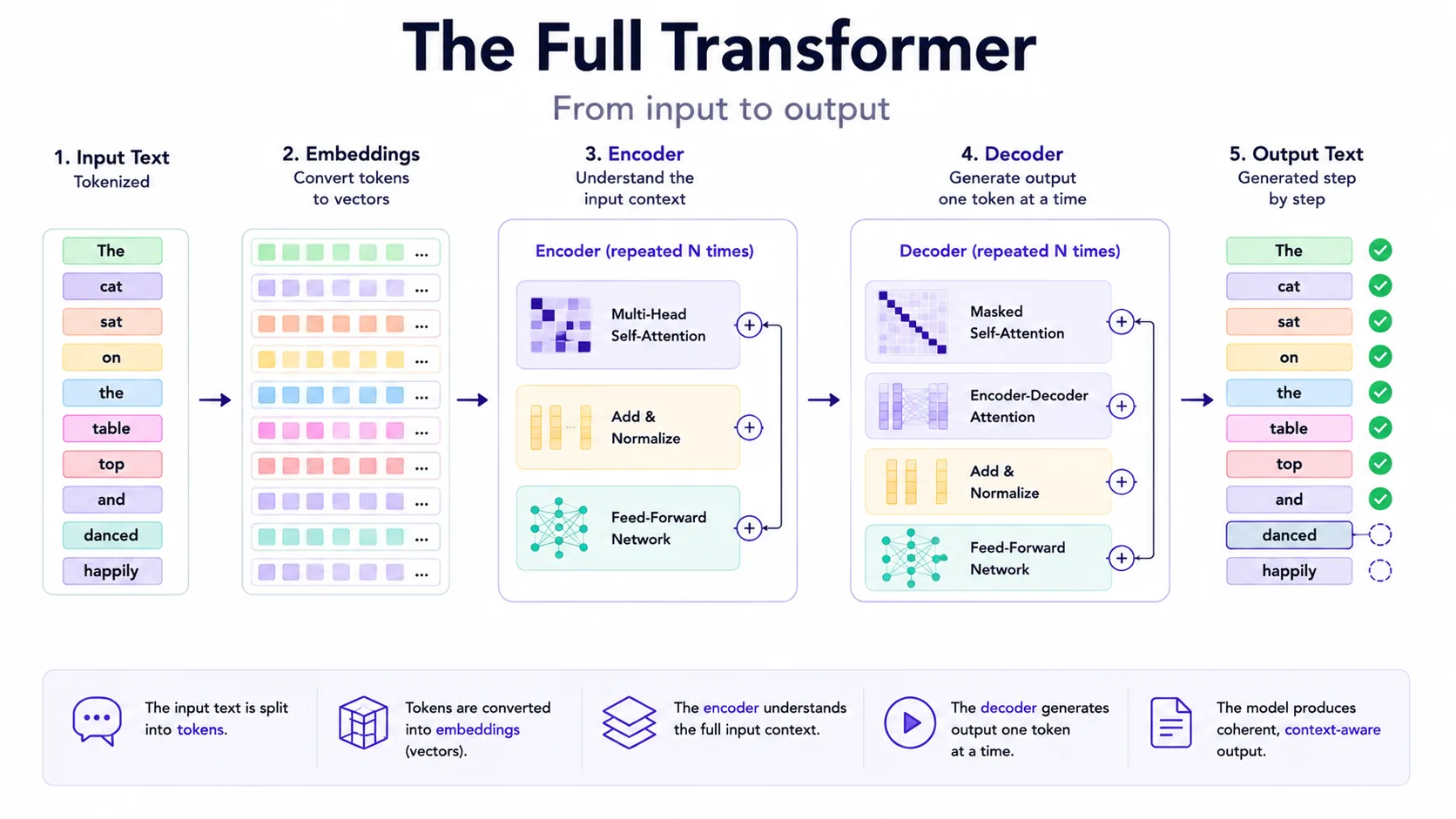
Transformer की व्याख्या
Transformer कई आधुनिक LLM के पीछे की architecture है। इसका मुख्य विचार tokens को attention layers के साथ process करना है ताकि मॉडल पूरे context में संबंधों का वजन तय कर सके। इससे training पुराने recurrent approaches की तुलना में अधिक parallelizable हुई और यह modern language models की बुनियाद बन गई।
Technical request lifecycle
Production LLM request आम तौर पर एक pipeline होता है, single model call नहीं। Application input validate करती है, prompt बनाती है, जरूरत हो तो context retrieve करती है, tokens मॉडल को भेजती है, वैकल्पिक रूप से tools call करती है, output check करती है और बाद की evaluation के लिए traces log करती है।
System instructions, user input, memory, examples और policies को एक ordered context में जोड़ता है।
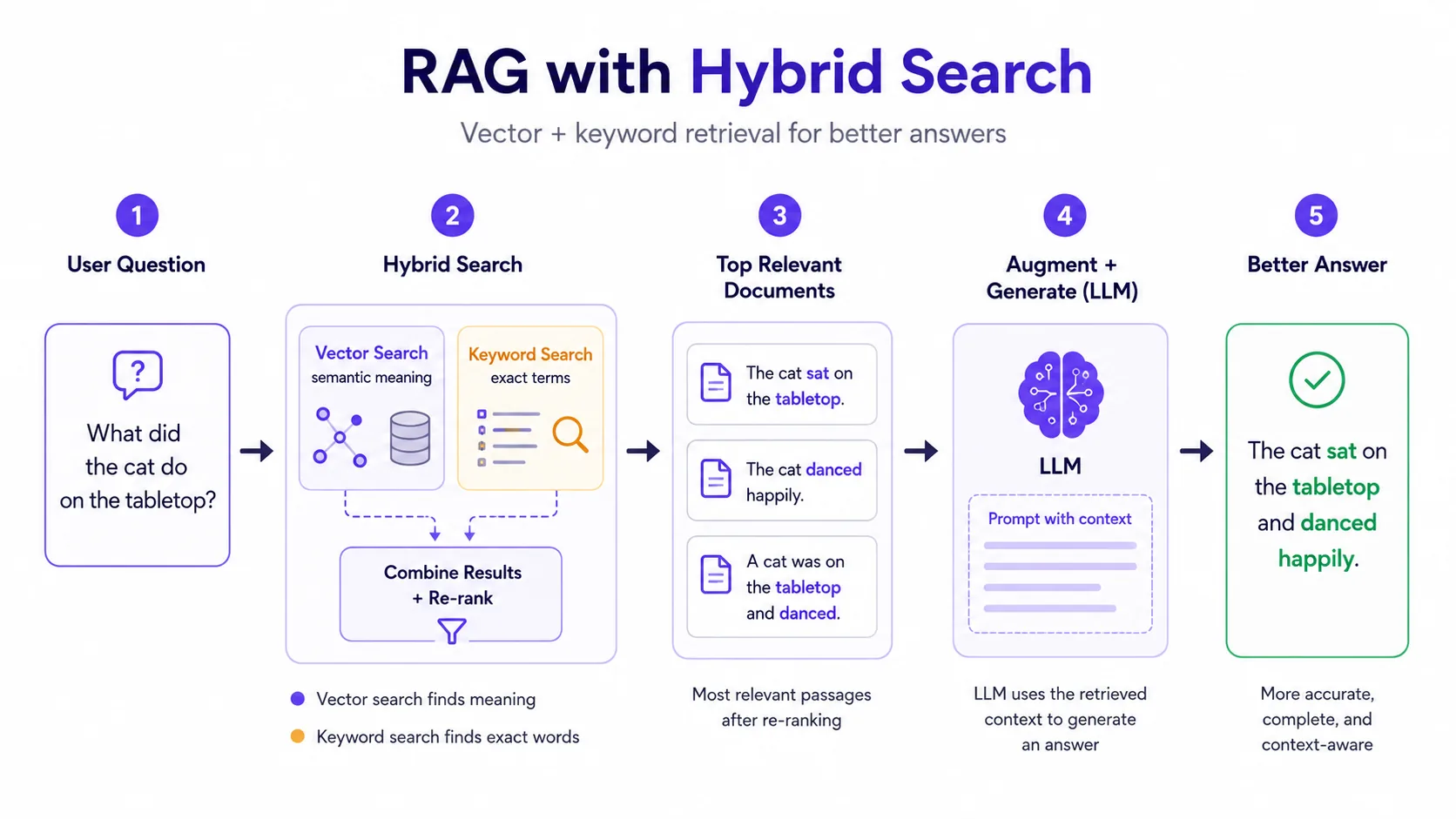
वैकल्पिक step जो relevant chunks के लिए vector database या keyword index खोजता है। यही Retrieval-Augmented Generation (RAG) का core है।
मॉडल next-token probabilities गणना करता है। Temperature जैसी decoding settings प्रभावित करती हैं कि जवाब कितना deterministic या varied होगा।
App user को response दिखाने से पहले citations, schema, policy compliance या tool outputs validate कर सकती है।
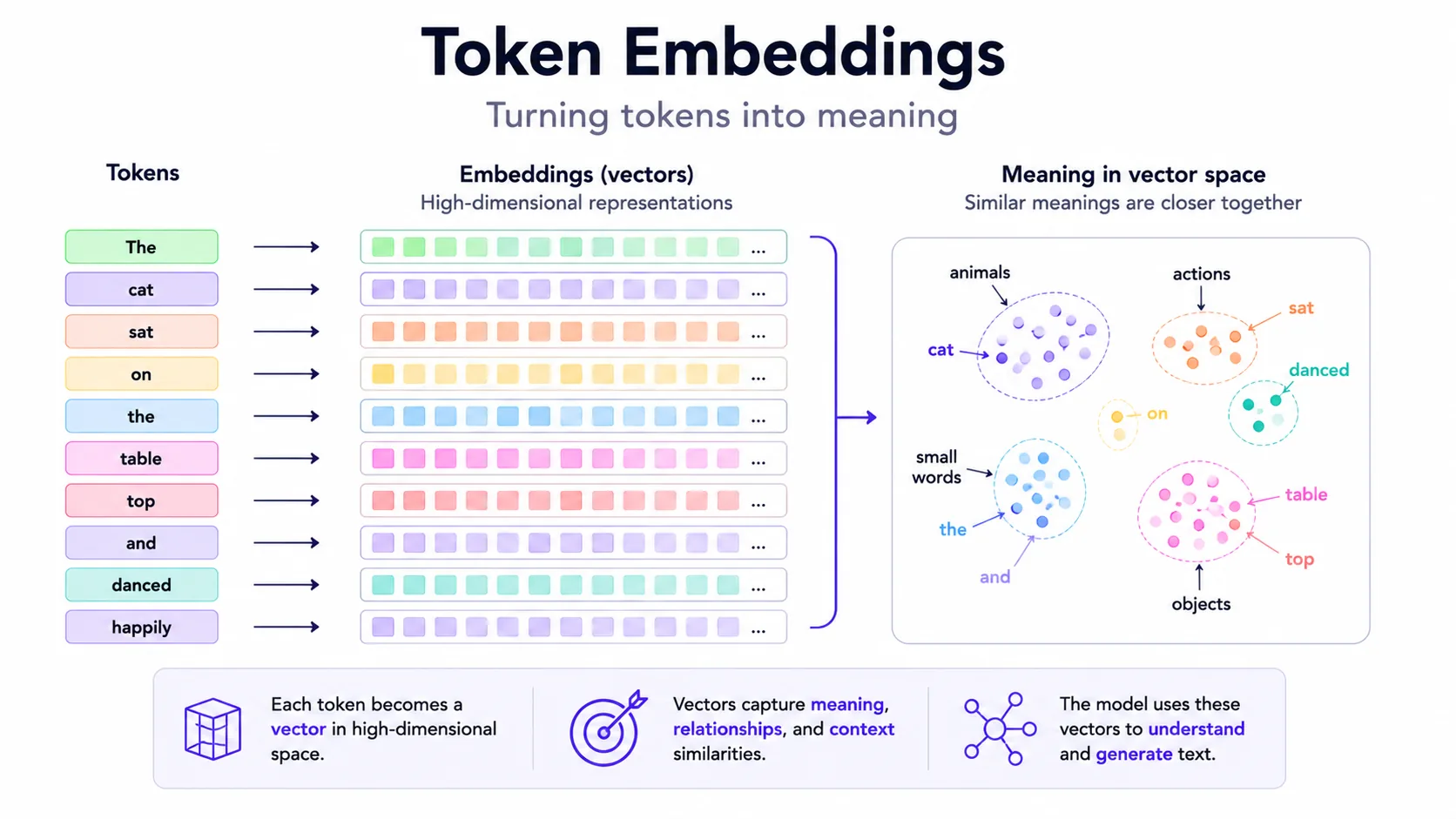
Embeddings की व्याख्या
Embeddings numeric vectors हैं जो text, images या दूसरे data को ऐसे space में represent करते हैं जहाँ मिलते-जुलते अर्थ आम तौर पर एक-दूसरे के करीब होते हैं। वे semantic search, clustering, recommendations और retrieval में उपयोगी हैं। महत्वपूर्ण बात: embeddings सत्य नहीं हैं; वे similarity signals हैं।
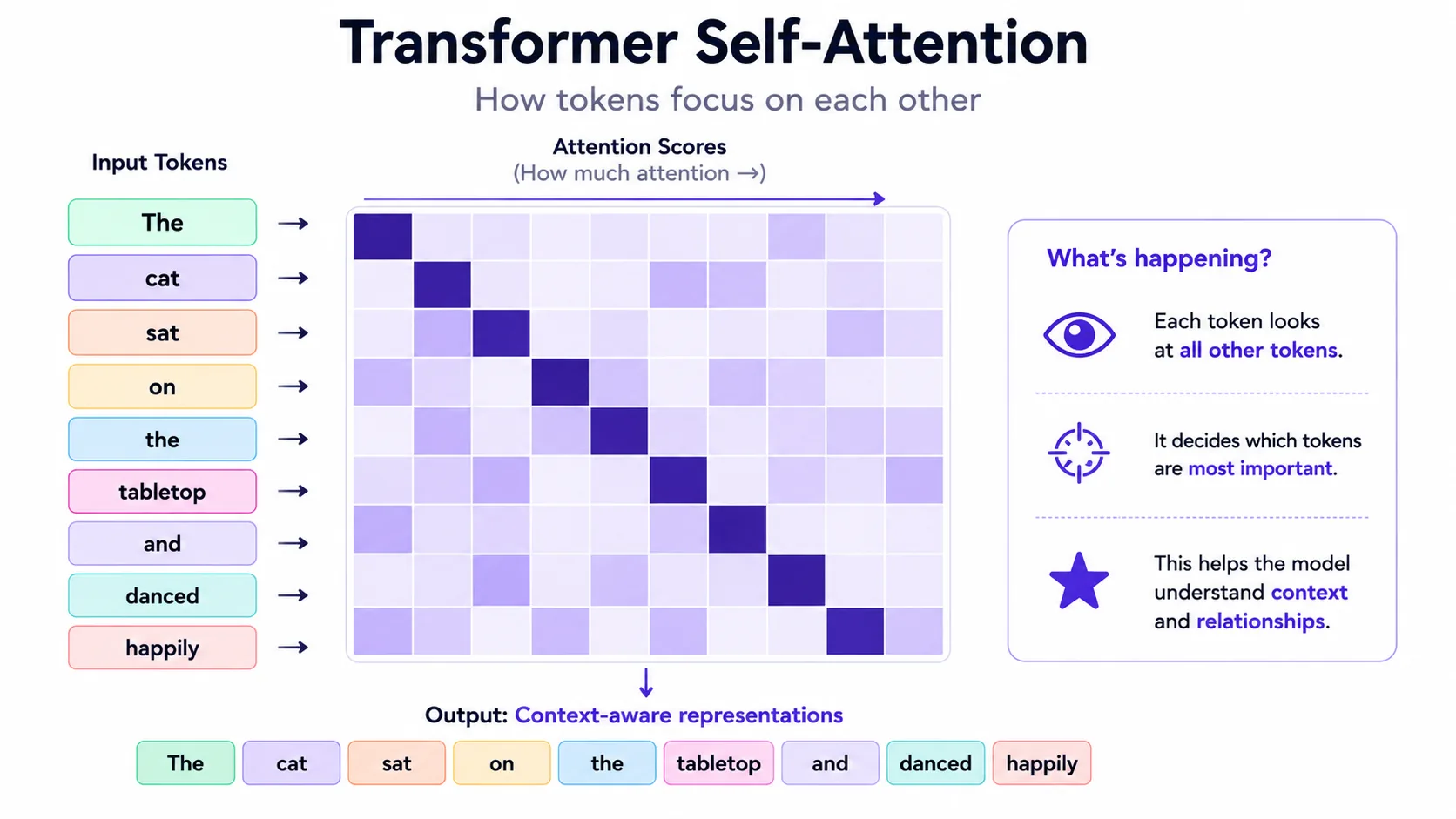
Self-Attention की व्याख्या
Self-attention हर token को उसी context के दूसरे tokens का महत्व तय करने देता है। मॉडल layers में बार-बार relationships गणना करता है, जिससे words, phrases और dependencies की अधिक समृद्ध representations बनती हैं। इसी कारण LLM लंबे instructions और examples का उपयोग कर पाते हैं।
Tokenization की गहराई
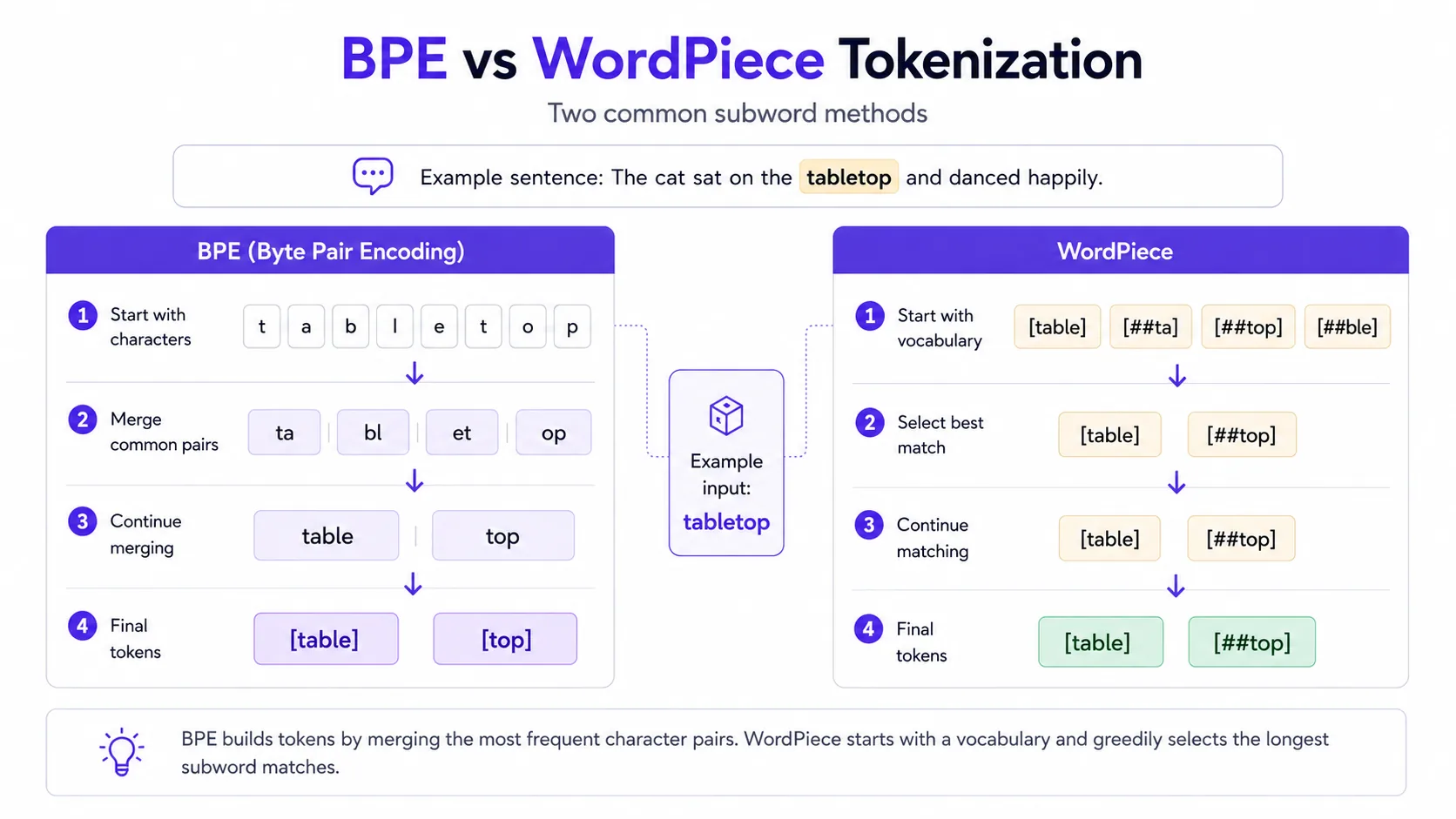
Tokenization text को model-readable units में बदलता है। अलग-अलग languages और scripts tokens को अलग तरह से इस्तेमाल कर सकते हैं, जिससे cost और context length प्रभावित होते हैं। Tokenization यह भी समझाता है कि exact character limits, code snippets और rare words कठिन क्यों हो सकते हैं।
Retrieval-Augmented Generation (RAG) आर्किटेक्चर
Production RAG system में ingestion, chunking, embeddings, index, retrieval, reranking, prompt assembly, answer generation, citations और evaluation शामिल हो सकते हैं। कई failures generation से पहले पैदा होते हैं — जैसे खराब chunks, stale documents, weak ranking या missing access filters — जबकि दूसरे failures synthesis, citation, refusal या answer generation के दौरान आते हैं।
Security, evaluation, tools, agents और real applications के आसपास जरूरी controls के साथ आगे बढ़ें।
प्रॉम्प्ट इंजेक्शन
Prompt injection तब होता है जब untrusted text system या developer instructions को override करने की कोशिश करता है। RAG और agent workflows में यह सामान्य है क्योंकि retrieved pages में hidden instructions हो सकते हैं। External content को data मानें, authority नहीं।
Large Language Model (LLM) मूल्यांकन
LLM evaluation मापती है कि outputs सही, उपयोगी, सुरक्षित और consistent हैं या नहीं। Automated checks, model-graded rubrics, human review और task-specific tests का मिश्रण इस्तेमाल करें। खासकर prompt, model या retrieval changes के बाद regressions को समय के साथ track करें।
फंक्शन कॉलिंग
Function calling मॉडल को free text के बजाय tool के लिए structured arguments लौटाने देता है। फिर application तय करती है कि tool call करना है या नहीं, arguments validate करती है और errors handle करती है। Model को security boundary नहीं होना चाहिए।
Agents की व्याख्या
Agent एक LLM-driven system है जो steps plan कर सकता है, tools call कर सकता है, results देख सकता है और अगला कदम तय कर सकता है — goal पूरा होने या stop condition आने तक loop चलता है। एक जवाब लौटाने वाले single prompt के विपरीत agent cycle चलाता है: reason, act, observe, repeat। इससे agents multi-step work के लिए शक्तिशाली होते हैं, लेकिन single request की तुलना में evaluate, secure और predictable रखना भी कठिन होता है।
Practical agent आम तौर पर चार हिस्से जोड़ता है: plan करने वाला model, call किए जा सकने वाले tools का set (search, code execution, API), progress track करने के लिए memory या scratchpad, और guardrails जो तय करते हैं कि किन actions के लिए human approval चाहिए। Model कभी security boundary नहीं होता — surrounding application हर action run होने से पहले validate करती है।
Large Action Models (LAMs)
“Large Action Model” (LAM) एक informal industry label है, कोई single standardized architecture या universally separate model class नहीं। यह आम तौर पर ऐसे model या agent component को describe करता है जिसे actions चुनने और execute करने के लिए optimize किया गया हो — जैसे tools call करना, interfaces operate करना या software steps की sequence बनाना — न कि सिर्फ explanatory text generate करना।
व्यवहार में “LAM” और “LLM agent” शब्द एक समान तरीके से इस्तेमाल नहीं होते। उपयोगी conceptual distinction यह है कि agent पूरा system है — model, tools, memory या state, policies, execution environment और approval steps — जबकि “LAM” उसके action-selection component को refer कर सकता है। कई production systems अलग परिभाषित LAM architecture के बजाय LLM + tool calling, state management और guardrails से actions implement करते हैं।
Multi-agent systems और tool protocols
Tasks बड़े होने पर single agent को अक्सर कई specialized agents में बाँटा जाता है जो मिलकर काम करते हैं: एक plan करता है, एक context retrieve करता है, एक execute करता है और approval से पहले एक result check करता है। यह छोटी team के work division जैसा है और हर हिस्से को test व govern करना उस single agent से आसान बनाता है जो सब कुछ करने की कोशिश करे।
अलग integration layers के लिए open protocols उभर रहे हैं। Model Context Protocol (MCP) AI applications को tools, resources और prompts expose करने के लिए client-server protocol define करता है। Agent2Agent (A2A) protocol agents के बीच discovery, communication और task handoff पर केंद्रित है। दोनों complementary हो सकते हैं, लेकिन support, security profiles और adoption अलग-अलग हैं; दोनों का उपयोग architectural option है, कोई universal 2026 standard नहीं।
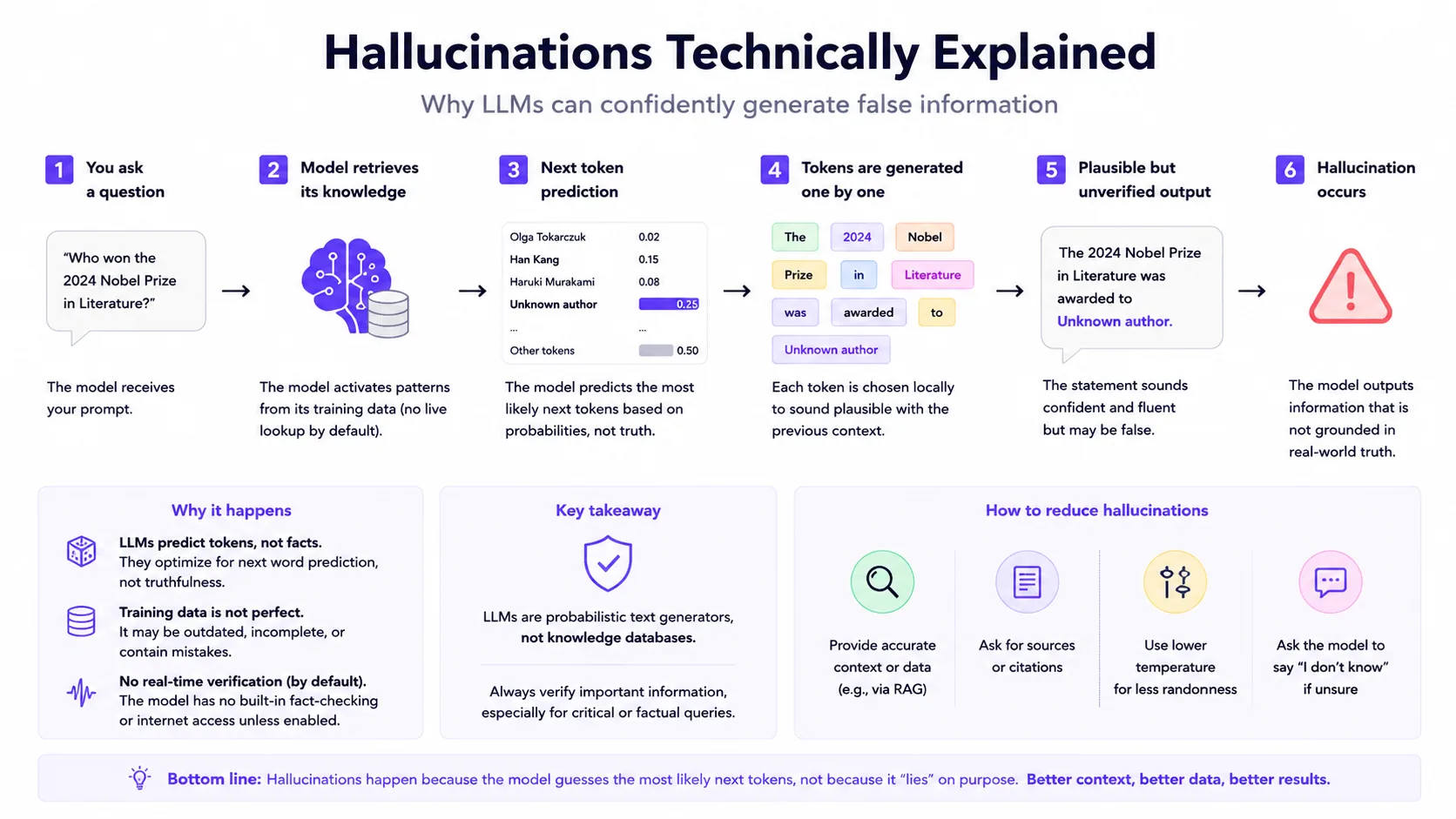
Hallucinations की तकनीकी व्याख्या
Hallucinations fluent generation और grounded verification के बीच gap से पैदा होते हैं। Evidence न होने, retrieved context गलत पढ़ने या training patterns से overgeneralize करने पर भी मॉडल संभावित text बना सकता है। Mitigation के लिए retrieval quality, uncertainty handling, validation और evaluation चाहिए — सिर्फ prompt की बेहतर wording नहीं।